
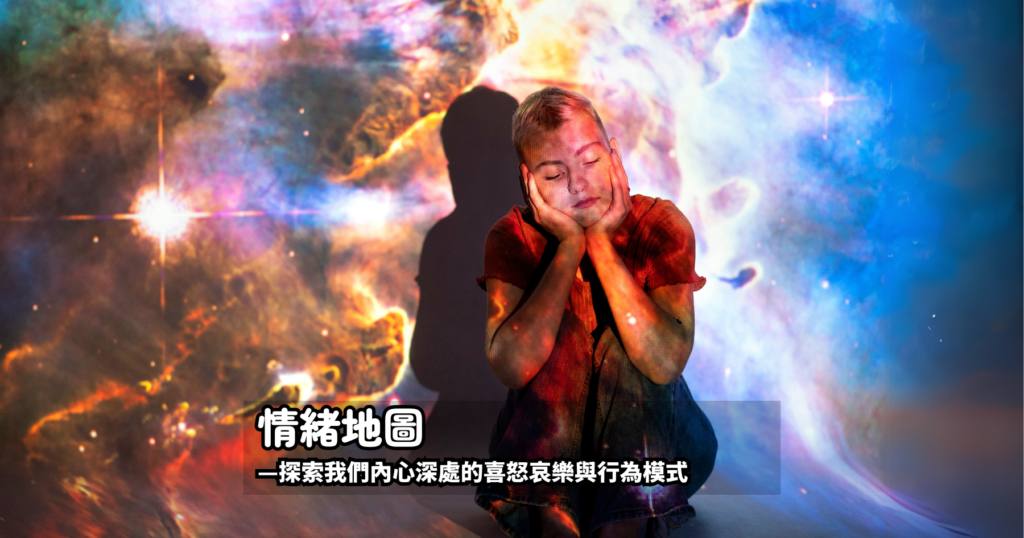
Emotions are like an internal map that guides us through our needs, values and responses. There is a deep meaning behind every emotional response, whether it's joy, anger, sadness, fear or surprise. This article will explore the types of emotions and the behaviours behind them, helping you to understand your inner world more fully.
Basic Classification of Emotions
Our emotions can be broadly classified into two categories:Basic Sentimentrespond in singingComplex Emotions.
Basic SentimentThey are innate and include happiness, sadness, fear, anger, disgust and surprise. These emotions are not only present in different cultures and age groups, but also trigger rapid physiological and behavioural responses. For example, when you feel fear, your heart may beat faster and your body automatically goes into a 'fight or flight' state.
Complex EmotionsThe development of these emotions, such as guilt, shame, pride and jealousy, requires a higher level of cognitive ability and social experience. These emotions are often closely related to personal values, social relationships and cultural background. For example, guilt may arise from violating certain moral norms, while pride may come from recognition of one's achievements.
Mechanism of Emotions
Emotions do not exist in isolation, but are closely linked to our thoughts and behaviours. Every emotion has the potential to influence our behavioural patterns:
happy: When we are happy, we are usually more willing to interact with others and show greater creativity and problem-solving skills. Happiness is also a motivator, prompting us to repeat behaviours that bring satisfaction.
sadness: Grief is an emotion that allows us to slow down and reassess our needs. It can also inspire empathy, encourage us to reach out for support, and build deep interpersonal connections.
Anger: Anger can help us defend our needs or rights. However, unmanaged anger can turn into impulsive behaviour and affect relationships.
fearFear is a survival mechanism that helps us recognise danger and react quickly. However, excessive fear can lead to avoidance or anxiety, affecting our decision-making ability.
Exploring the intrinsic connection between emotions and behaviour
Emotions not only affect how we feel, they also affect our choices and actions.
Example:
- When we feel anxious, we may over-prepare to minimise the unease that comes with uncertainty.
- When we feel lonely, we may be more proactive in seeking out social connections.
- When we feel shame, we may reflect on our behaviour and adjust our approach in the future.
Understanding the connection between these emotions and behaviour can help us to make more conscious choices of action, rather than being driven by emotion to react impulsively.
How do you map your emotions?
1. recording emotions
Use a diary or mood tracking tool to record daily mood swings and the behaviours they trigger. For example, "I felt anxious today because I had an important meeting."
2. analysing triggers
Look back at the events that triggered the emotions and analyse whether there are any commonalities. For example, does anxiety always stem from uncertainty about the future?
3. exploring coping strategies
Depending on the pattern of the emotion, design more effective ways to cope. For example, when feeling anxious, try focusing on breathing exercises or breaking down tasks to reduce stress.
An emotional map acts as a guide to help us find our way in our inner world. By exploring the sources of our emotions and behavioural patterns, we can gain a clearer understanding of ourselves and make conscious choices about how to face challenges. Learning to interpret emotional signals is like gaining a key to inner balance and happiness. From now on, try to draw your own emotional map, unravelling the mysteries of your heart and moving towards a more fulfilling life journey.
Follow us onFacebook