
Have you ever felt an upset stomach during times of stress or a change in appetite when you are depressed? It's no coincidence that our intestines are so closely linked to our emotions that they have been called the body's "second brain". Not only is the gut responsible for digestion, but it also has a profound effect on mental health and mood regulation. This article will reveal the subtle connection between the gut and emotions, and how to improve gut health to enhance emotional stability.
Intestinal-Brain Axis: Bidirectional Communication between the Intestines and the Brain
Gut-Brain AxisIt is a two-way communication network that connects the intestines to the brain, exchanging information through the vagus nerve, neurotransmitters and intestinal flora.
1. Effects of the Vertigo
The bowel and the brain transmit signals rapidly through the vagus nerve. When the intestines are irritated (e.g. gastrointestinal distress or inflammation), the brain receives the relevant information, which in turn affects mood.
2. Neurotransmitter effects
The gut produces a variety of neurotransmitters that affect mood, for example:
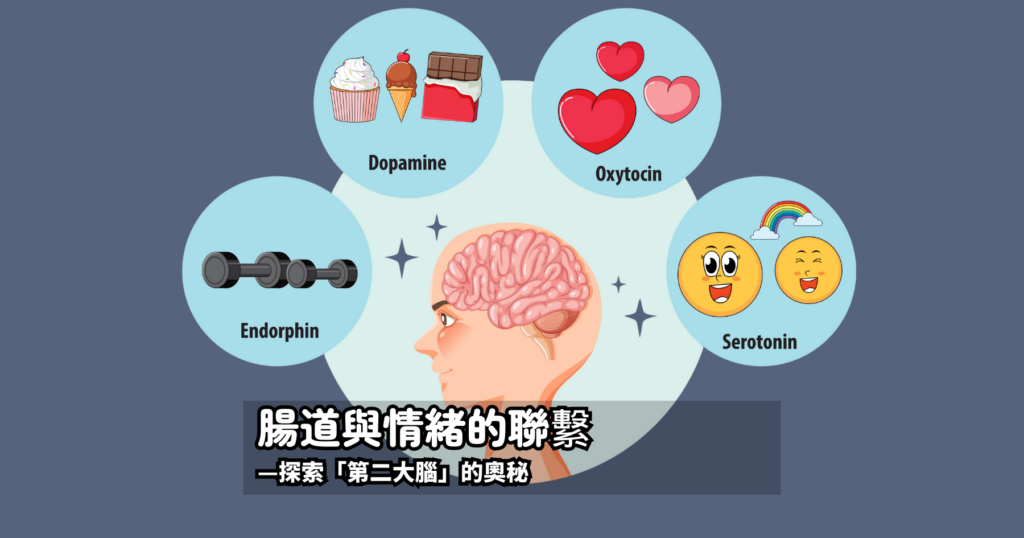
- serotonin: Known as the "happy hormone", about 901 TP3T is synthesised in the gut.
- Dopamine: Associated with pleasure and motivation, it is also partially produced in the intestines.
3. Importance of intestinal flora
The microbiota in the gut plays a key role in emotional and mental health. A healthy flora can help regulate the balance of neurotransmitters and stabilise mood, while an imbalanced flora can lead to problems such as anxiety and depression.
How gut health affects mood?
1. Interaction between Stress and the Bowel
When we are stressed, cortisol levels rise, which can lead to an imbalance in the intestinal flora, which in turn can lead to gastrointestinal discomfort. In turn, intestinal discomfort can exacerbate stress, creating a vicious cycle.
2. Intestinal Flora and Depression
Studies have found that people with depression tend to have lower intestinal flora diversity and reduced numbers of specific beneficial bacteria such as Bifidobacteria and Lactobacillus. The reduction in these flora may affect serotonin synthesis, which may exacerbate the symptoms of depression.
3. Bowel Health and Anxiety
There is a clear correlation between bowel disorders (e.g. irritable bowel syndrome) and anxiety. Inflammation or hypersensitivity of the bowel sends stress signals to the brain, increasing the risk of anxiety.
Ways to Improve Bowel Health for Mood Stabilisation
1. Taking probiotics and prebiotics
Increasing the intake of probiotics such as Lactobacillus and Bifidobacterium helps to improve the balance of intestinal flora and enhance emotional stability. Prebiotics (e.g. dietary fibre) provide nutrients for probiotics and promote their growth.
Food recommendations: yoghurt, miso soup, kimchi, garlic, onions.
2. Reduce high sugar and high fat diets
Diets high in sugar and fat may impair the balance of intestinal flora and increase the risk of inflammation. Choosing natural and unprocessed foods such as whole grains, vegetables and fruits can help maintain intestinal health.
3. Stress relief
Stress management is an important part of bowel health. Try yoga, mindfulness meditation or deep breathing exercises to lower cortisol levels in the body and reduce the negative impact on the gut.
4. Regular exercise
Exercise promotes the diversity of intestinal flora and helps release the "happy hormone", which enhances emotional stability.
5. Adequate sleep
Lack of sleep disrupts the balance of intestinal flora, which in turn affects mood. Ensuring that you get 7-8 hours of quality sleep every day is the key to maintaining intestinal health.
The link between our gut and our moods demonstrates the inextricable relationship between physical and mental health. Our intestines not only affect digestion, but also play a key role in regulating emotions and enhancing mental health. Starting from today, pay attention to your gut health, adjust your dietary habits and manage your stress, so that your "second brain" can protect your emotional stability and happiness in life.
Follow us onFacebook