
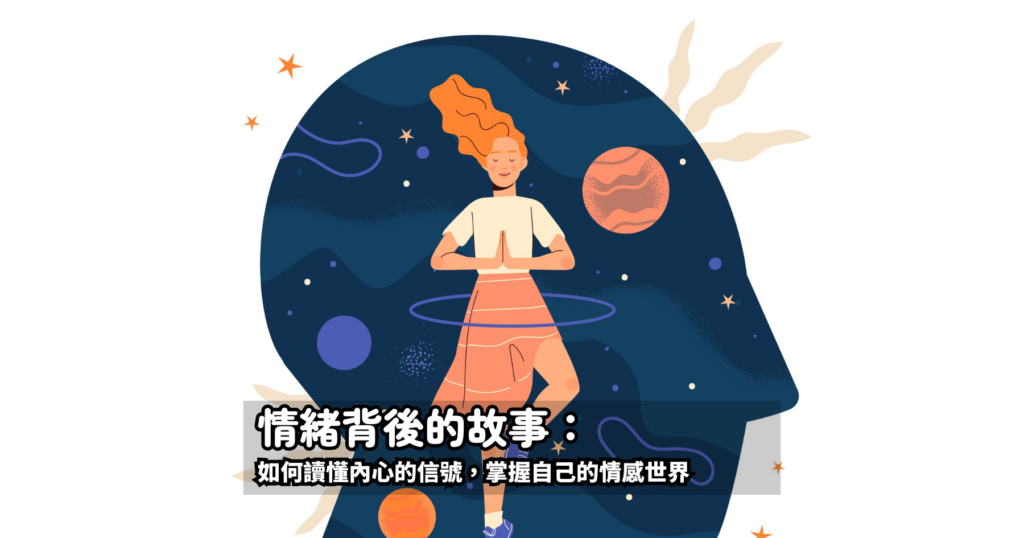
Each of us experiences different emotional ups and downs every day, from joy and sadness to anger and anxiety. Emotions are not just psychological reactions, they are signals from deep within that help us understand our needs and interact with our environment. If we can master the art of interpreting emotions, we will be able to understand ourselves better and become more comfortable with our emotions.
Emotions: The Language of the Heart
Emotions are direct expressions of inner needs. When we feel upset, happy or tired, our emotions are actually sending us a message. For example, anxiety may be a reminder that we need to act when we are under stress, while sadness may mean that we are losing something important to us. Understanding emotions means learning to decipher the language of the heart in order to get to the root of the problem.
For example, if you suddenly feel impatient with your work, this may not be a superficial 'stressful' emotion, but rather a deep-seated suggestion that you need to take more time off, or that your work is not really in line with your values.
How to Read Inner Emotional Signals?
Stop and observe.
Firstly, when emotions surface, instead of rushing to suppress or escape, try to stop, take a deep breath, and focus on your feelings. For example, when you feel angry, ask yourself, "Why am I angry? Is it because I'm being ignored, or is it because things are out of my control? This pause allows us to observe our inner turmoil more clearly.
Describing emotions in words
Next, materialise the ambiguous emotion and describe it in words which will help to understand it better. For example, convert "I don't feel good" to "I feel undervalued and that makes me frustrated." By clarifying the feeling through language, we can find a clearer direction and coping strategies to solve the problem.
Finding the Root of Emotions
Finally, look deeper for the root cause of your emotions, as they are often not only the result of an immediate event, but can also be related to past experiences or unresolved issues. For example, a simple argument may trigger a long-standing feeling of neglect. At this point, you can ask yourself, "Is this emotion similar to something you have experienced in the past? By uncovering the root causes of our emotions, we can gain a fuller understanding of our true inner needs.
Accept your emotions and don't fight against your heart.
Emotions are not right or wrong, they are a natural reaction of the heart. Try to accept your emotions instead of criticising yourself. For example, when you feel anxious, tell yourself, "Anxiety is a normal reaction, it is my brain reminding me of something. This attitude helps us to deal with our feelings more rationally, rather than being controlled by our emotions.
Emotions are an internal compass that helps us understand our needs and desires in a given situation. By learning to read emotions and accept them, we can take control of our emotional world and turn these feelings into a driving force for personal growth. Remember, emotions are never a barrier, but a gateway to the real needs of the heart. Try to listen to them quietly and you will find that they are showing you the way to happiness and balance.
Follow us onFacebook