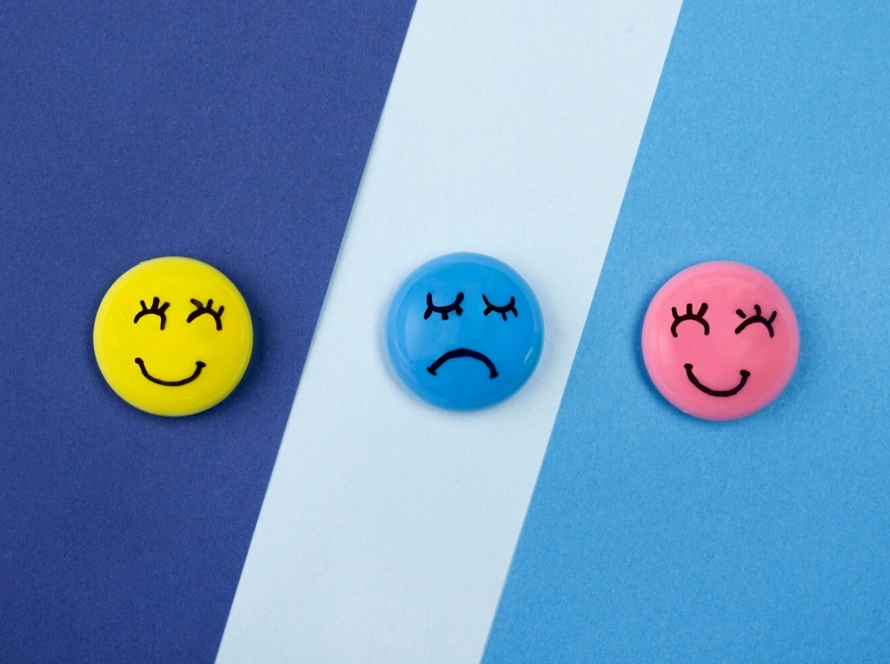
Emotional Technology Revolution: When Emotions Meet Artificial Intelligence
We are at the start of a revolution in emotion management. With the rapid advances in neuroscience, artificial intelligence and biosensor technology, the way we manage our emotions is undergoing a fundamental change. From wearables to virtual reality, from genetic testing to neurofeedback, a range of cutting-edge technologies are redefining the possibilities for understanding and managing our emotions.
According to market research, the global emotional computing market is expected to reach nearly US$100 billion by 2028. At the heart of this revolution is a paradigm shift from reactive to proactive prevention, from generic solutions to personalised interventions.
Breakthrough in Mood Monitoring Technology
Multimodal Emotional Recognition System
Physiological Signal Monitoring::
- Heart Rate Variability (HRV) as an Indicator of Stress
- Electrodermal Activity Measures Emotional Arousal
- Electroencephalogram (EEG) to monitor emotional state of the brain
- Breathing pattern analysis of mood changes
Behavioural Signal Analysis::
- Speech emotion recognition to analyse intonation and speech rate changes
- Facial Expression Recognition
- Analysis of Keyboard Tapping Patterns and Mobile Phone Usage Behaviour
- Gait and posture change monitoring
Environmental Context Sensing::
- Understanding emotional context through smartphone data
- Analysis of the association between social interaction patterns and emotional states
- Evaluation of the impact of environmental factors (light, noise) on emotions
Balancing continuity and non-invasiveness
The new generation of mood monitoring technologies seeks to find a balance between continuous monitoring and non-invasive experiences such as:
- Smart Watches Integrate Multiple Sensors
- Smart Fabrics Monitor Physiological Signals
- Contactless Camera Sentiment Analysis
- Sentiment Inference for Environmental Sensor Networks
Innovative Directions in Emotional Intervention Technology
Digital Therapy and Personalised Interventions
AI Mood Coach::
Provides real-time, contextualised emotion management advice based on individual mood patterns and triggers.
Adaptive Intervention System::
Dynamically adjust the intervention strategy and intensity based on the user's current emotional state, environment and historical data.
Predictive Mood Management::
Using machine learning to predict emotional crises and intervene before problems occur.
Neurotechnology and Brain-Computer Interface
Neurofeedback training::
Through real-time brainwave monitoring and feedback, you can learn to regulate your brain's activity patterns and improve your emotional regulation.
Transcranial magnetic stimulation (TMS) and transcranial direct current stimulation (tDCS)::
A non-invasive brain stimulation technique used to treat mood disorders such as depression and anxiety.
Closed loop system::
Closed-loop monitoring-analysis-intervention system for fully automatic emotion regulation.
Virtual Reality and Augmented Reality Applications
Mood Exposure Therapy::
Practice responding to triggering situations in a controlled virtual environment to build emotional resilience.
Positive Thinking and Meditation Enhancement::
Enhances meditation through immersive environments and guides attention regulation.
Social Emotional Training::
Practise emotional expression and regulation skills in virtual social situations.
Data Science and Personalised Emotion Management
Emotional Digital Phenotypes
Through smartphone and wearable device data, an individual's "emotional fingerprint" is created, identifying unique emotional patterns, triggers and effective interventions.
Group Emotional Intelligence
Aggregate anonymous group sentiment data to provide effective strategy recommendations based on similar people while protecting personal privacy.
Longitudinal Learning System
The system learns the individual's emotional patterns and improves intervention strategies over time, enabling truly personalised growth.
Ethical Considerations and Risk Prevention
Privacy and Data Security
Core Challenge::
Emotional data is the most sensitive personal information and requires the highest level of protection.
Solutions::
- Local data processing is preferred
- Differential Privacy Applications
- User Data Control
- Transparent data utilisation policy
Algorithmic Bias and Fairness
Ensure the accuracy and fairness of emotion recognition and intervention algorithms across gender, age, and cultural groups.
The Human Balance
Maintaining a balance between technological assistance and human connection to avoid over-reliance on technology that weakens natural emotional capabilities.
The Evolving Role of Emotion Managers in the Future
From generic to personalised
In the future, emotion management experts will be more like "emotion archivists", designing completely personalised emotion management programmes based on an individual's biological characteristics, psychological patterns, life situations and values.
Technology Integrator
Professionals need to acquire the ability to interpret emotional data, select appropriate technological tools, and integrate multiple intervention methods.
Humanity Supplement
Against the backdrop of increasing technological advances, the unique value of the human professional will be even more realised in providing the empathy, understanding and human connection that technology cannot replace.
Conclusion: A Harmonious Dance between Technology and Humanity
The future of emotion management is not about replacing humanity with technology, but about using technology to deepen our understanding of ourselves and enhance our ability to manage our emotions. Ideally, emotional technology should act as an intelligent partner, enhancing rather than diminishing our human experience.
When we integrate these emerging technologies carefully and wisely, we have the opportunity to create an emotionally healthier world: one in which people recognise emotional problems earlier, get more effective help, and reach their fuller emotional potential. In this future, emotion management will no longer be a privilege for the few, but an essential support available to everyone.
At the end of the day, no matter how much technology advances, the core of emotion management is to help us experience the richness of human emotions more fully, understand ourselves and others more deeply, and live this one life more wisely. Technology is only the path, and happiness and meaning are our eternal destination.
Follow us onFacebook