
When you feel angry, do you notice your heart beating faster and your palms sweating? When you are happy, do you find that you are full of energy? Behind these feelings, emotions are having a profound effect on your brain, body and behaviour. Emotion is not just a mental experience, but a complex process that involves brain functioning, physiological responses and behaviour. This article will take you deeper into the science of emotions, exploring how they work at the physiological level and affect our daily lives.
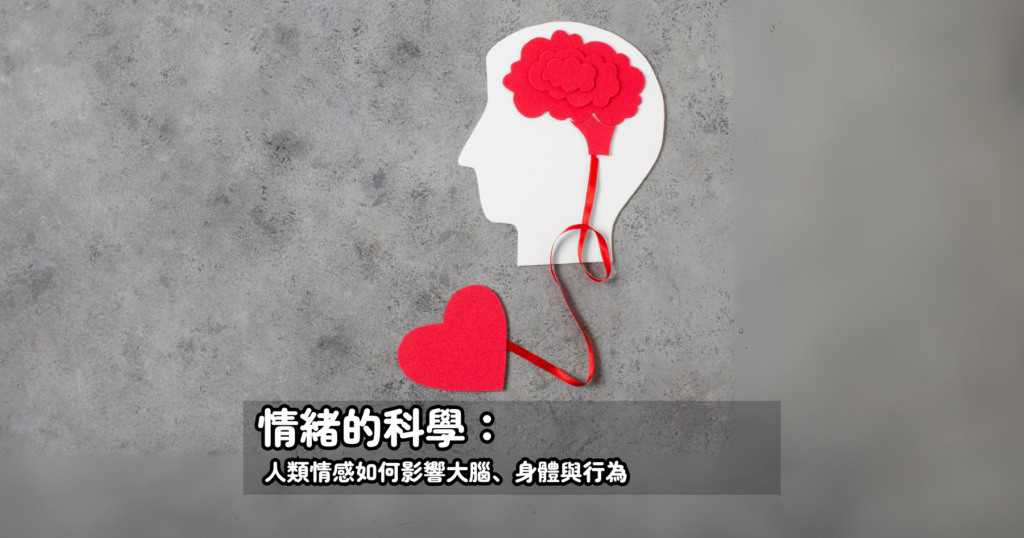
The origins of emotions can be traced back to our brain, specifically the Limbic System. This is the core area of emotional processing and contains the following important structures:
| - Amygdala (amygdala) | It is responsible for recognising threats and dealing with emotions such as fear and anger. When we are afraid, the amygdala activates the "fight or flight" response. |
| - Hippocampus. | The hippocampus is responsible for the connection between memory and emotion. For example, when you smell a familiar odour, the hippocampus will recall the associated emotional memory. |
| - Prefrontal Cortex | It is responsible for emotional regulation and rational decision-making, helping us to stay calm in the midst of intense emotions. |
How Emotions Affect the Body?
Emotions are not only present in the brain, but also trigger physiological responses throughout the body:
1. Chemicals of Happiness
When we feel happy, the brain releases endorphins, dopamine and serotonin, chemicals that enhance happiness and reduce stress.
2. The Impact of Stress
When you feel anxious or stressed, adrenaline and cortisol surge, triggering reactions such as increased heart rate and blood pressure. Prolonged exposure to this condition may impair the immune system and increase the risk of disease.
3. The connection between the intestines and emotions
The intestinal tract is known as the "second brain" and there is a close relationship between intestinal flora and mood. For example, a lack of probiotics may lead to increased symptoms of depression and anxiety.
The Impact of Emotions on Behaviour
- Positive Mood: Happiness and satisfaction enhance creativity and problem-solving skills. For example, when we are happy, we are more likely to participate in social activities or try new things.
- Negative emotionsAnger can lead to impulsive behaviour, while fear can trigger avoidance or self-protection. However, a moderate amount of negative emotion can also motivate us to take action to solve a problem.
for exampleWhen you feel stressed, you may choose to overeat or run away from difficulties, while when you feel motivated, you are more inclined to pursue goals and overcome challenges.
How to Manage Emotions with Science?
1. Training the brain to regulate emotions
- Positive thinking meditation and deep breathing exercises reduce amygdala hyperactivity while increasing control of the prefrontal cortex.
- Instead of reacting impulsively, try stopping when your emotions are running high and ask yourself, "Is this emotion really necessary?"
2. Balancing Chemicals
- Maintain regular exercise as it promotes the release of endorphins and dopamine.
- Eating a healthy diet rich in Omega-3 fatty acids and vitamin B complex can help stabilise your mood.
3. Managing Stress
- Reduce chronic cortisol production and bring the body back into balance through regularity and relaxation techniques.
The science of emotions tells us that emotions are not just psychological phenomena, but subtle interactions between the brain and the body. By understanding how emotions work, we can better manage our feelings and make them a force for health and growth. Remember, emotions are not scary, and mastering the science of emotions is the first step to taking control of your happiness and balanced life.
Follow us onFacebook